The 2026 PCB Design Paradigm Shift: Why the Old Rules No Longer Apply
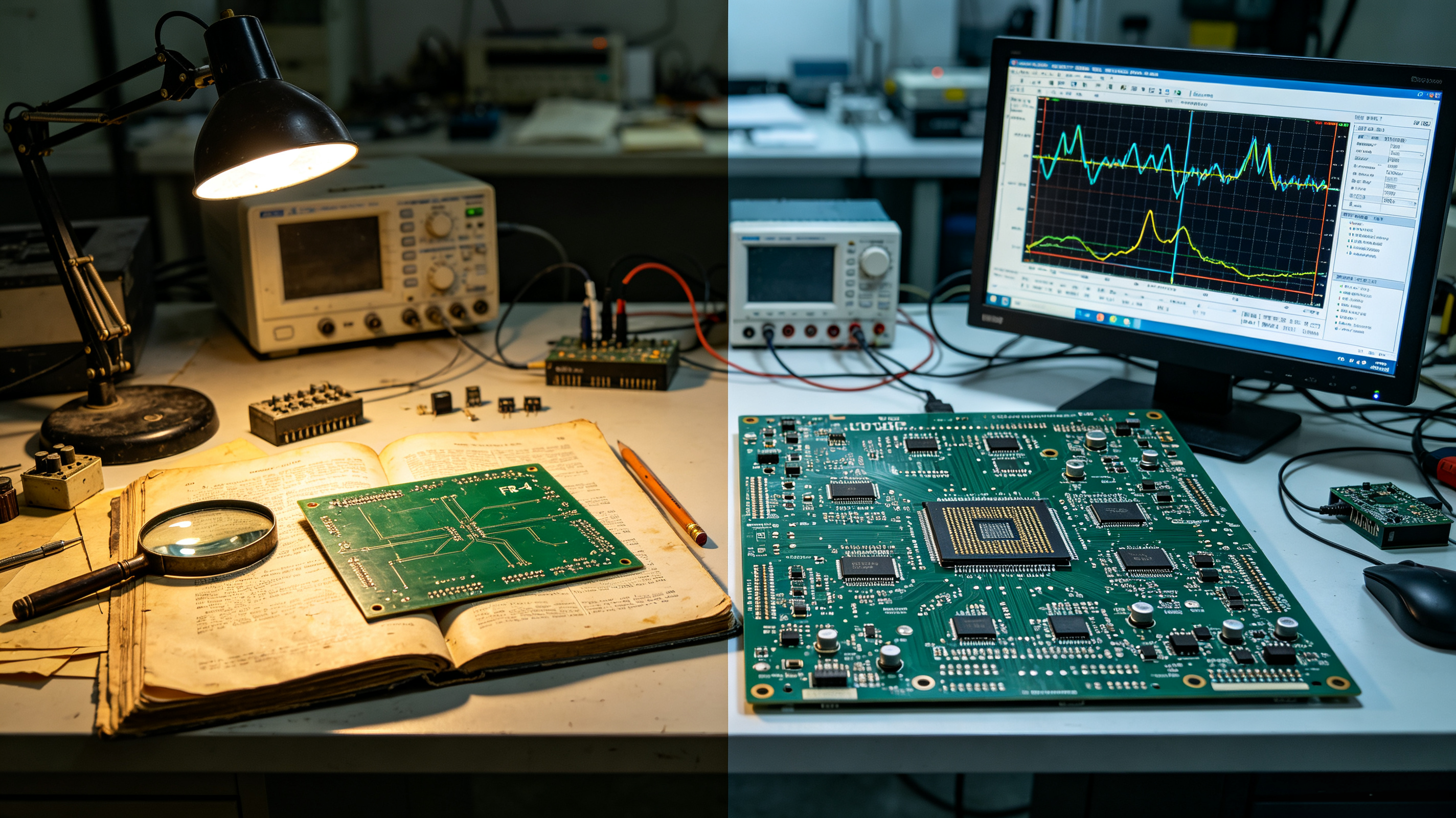
If you've been designing PCBs for more than a few years, you've probably noticed something unsettling lately. Your tried-and-tested design rules are starting to fail. Boards that should work are coming back with signal integrity issues. Materials that used to be fine are now causing problems. And the rules you learned — the ones that worked for a decade — are quietly becoming obsolete.
You're not imagining things. The PCB industry is undergoing what industry experts are calling a "paradigm shift." Over the past 18 months, the foundational assumptions of PCB design have been rewritten — not by a single announcement or release, but by the relentless push of physics and market demands.
What Changed? The Answer Is Physics
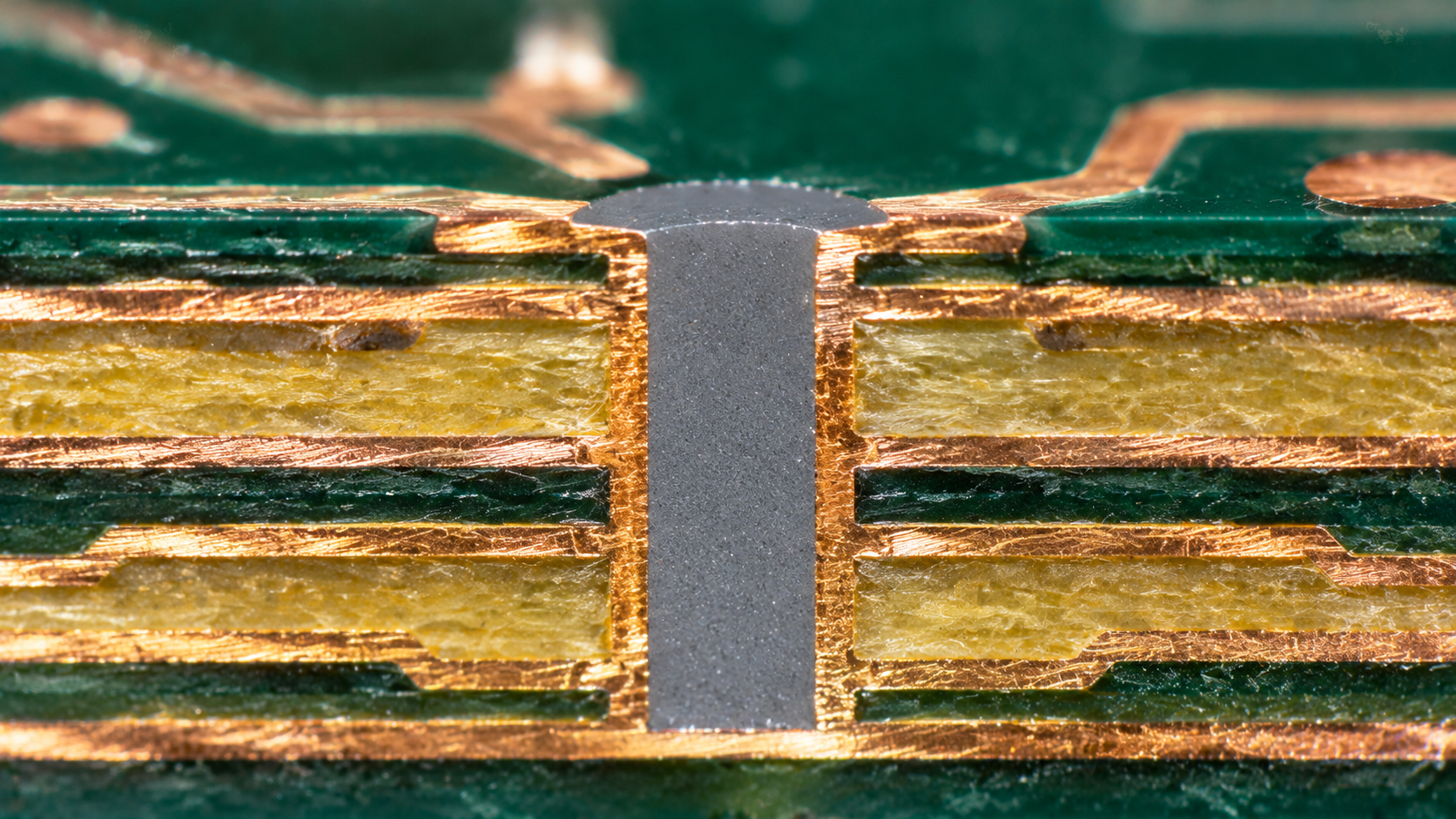
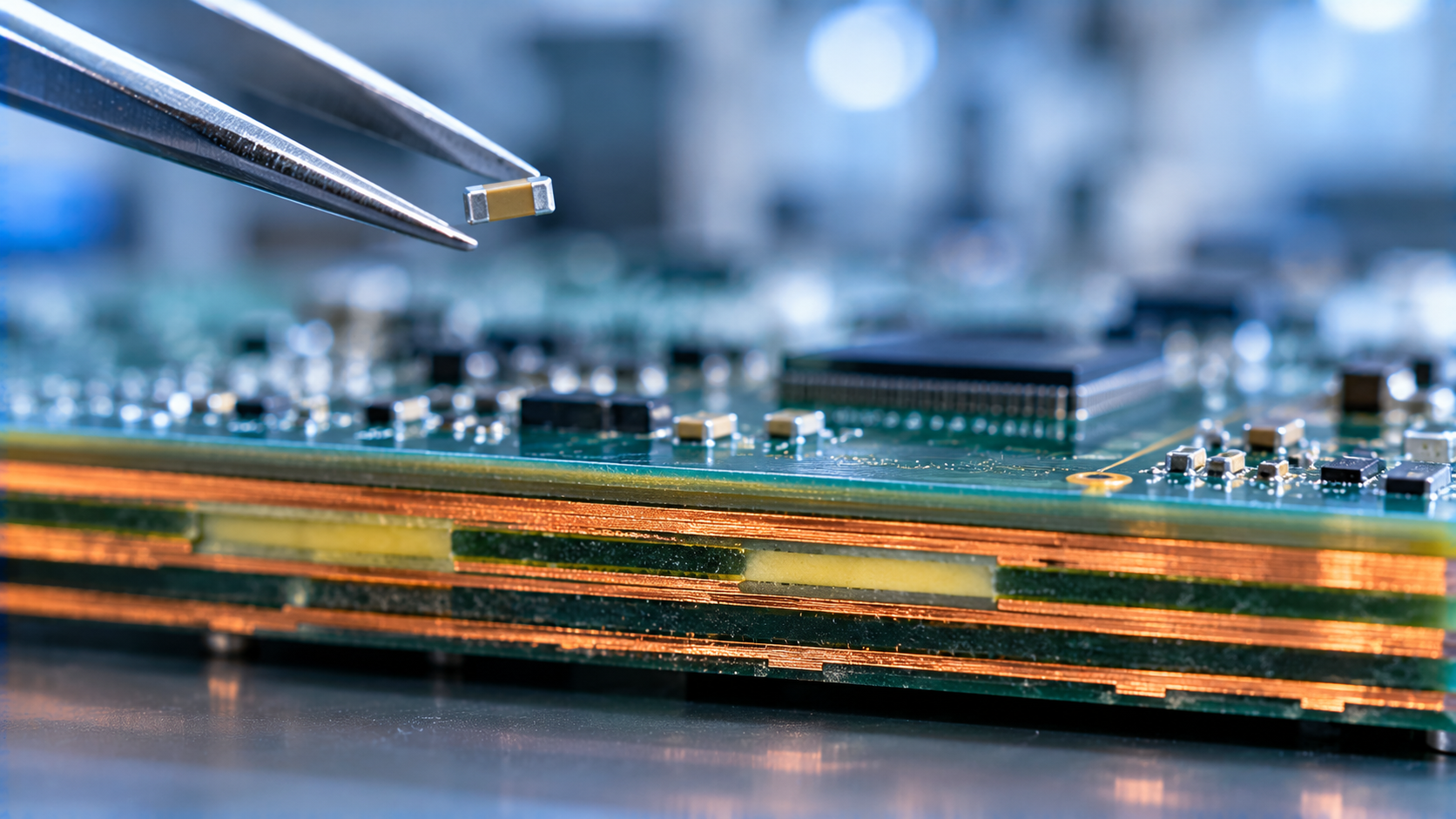
The most disruptive force reshaping PCB design comes from AI infrastructure. AI accelerators now require PCBs with 20-36 layers — some next-gen designs exceed 40 layers — with precise impedance control, tight alignment tolerances (within ±2 mils), and controlled dielectric properties. Standard servers used 8-12 layers. The jump isn't incremental; it's exponential.
What does this mean for your designs?
| Requirement | Old Standard | AI-Driven Reality |
|---|---|---|
| Layer count | 8-12 layers | 20-40+ layers |
| BGA pins | <2,000 | >5,000 pins |
| Signal rate | 10-25 Gbps | 56-112 Gbps PAM4 |
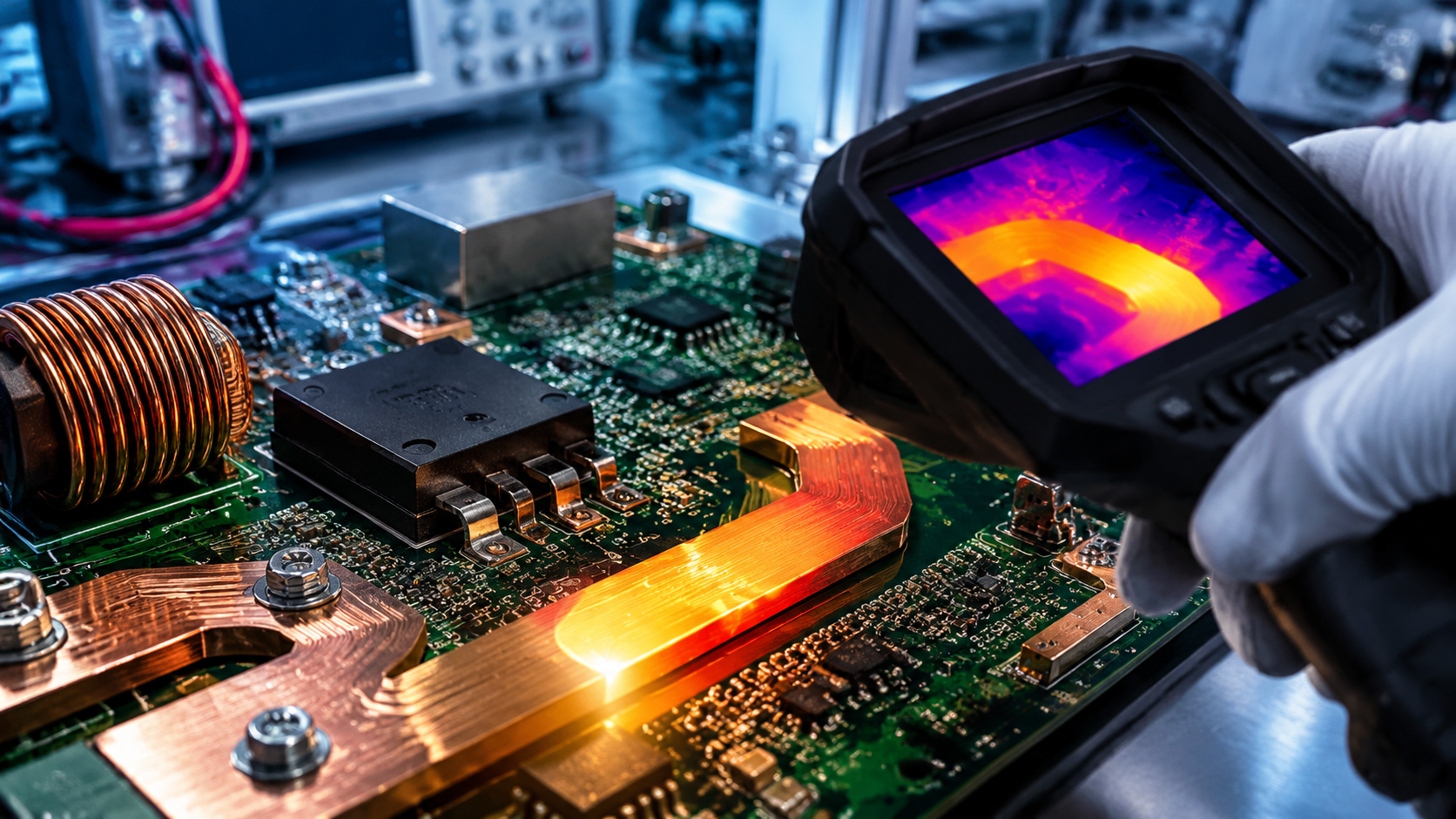
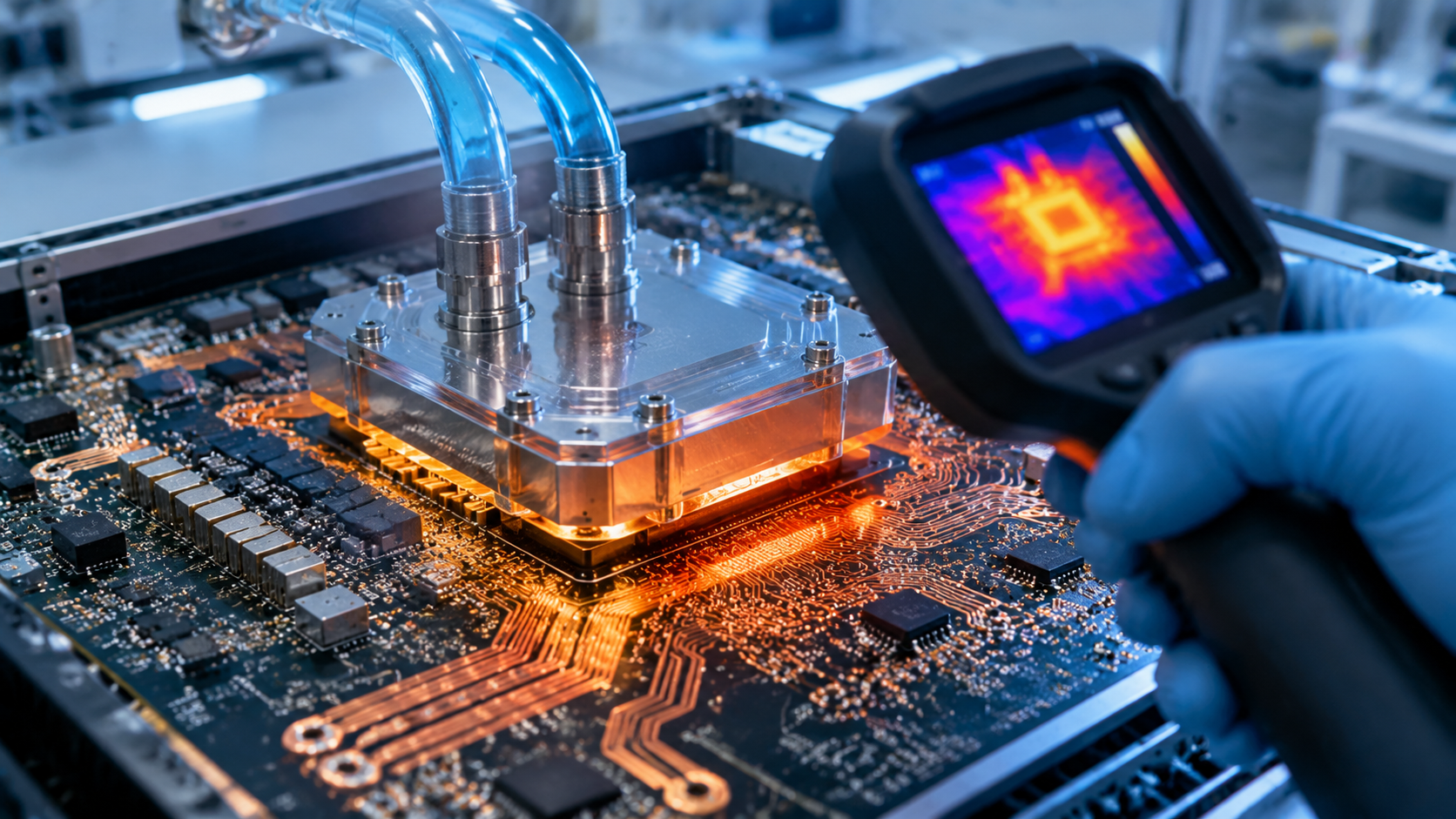
| Thermal load | <100W | 500-1000W per chip |
| Material | Standard FR-4 | Ultra-low-loss laminates (Df <0.005) |
The Hidden Rules Being Rewritten
Industry discussions at PCB East 2026 — which saw record attendance up nearly 48% — highlighted several fundamental shifts:
1. Components Have New Hidden Specs
The passive components you've been using for years have new, unspoken requirements:
Capacitors are no longer just about capacitance, voltage, and package size. For automotive-grade MLCCs, a new hidden spec requires capacitance drift ≤ ±3.2% after 10 years of aging at 125°C.
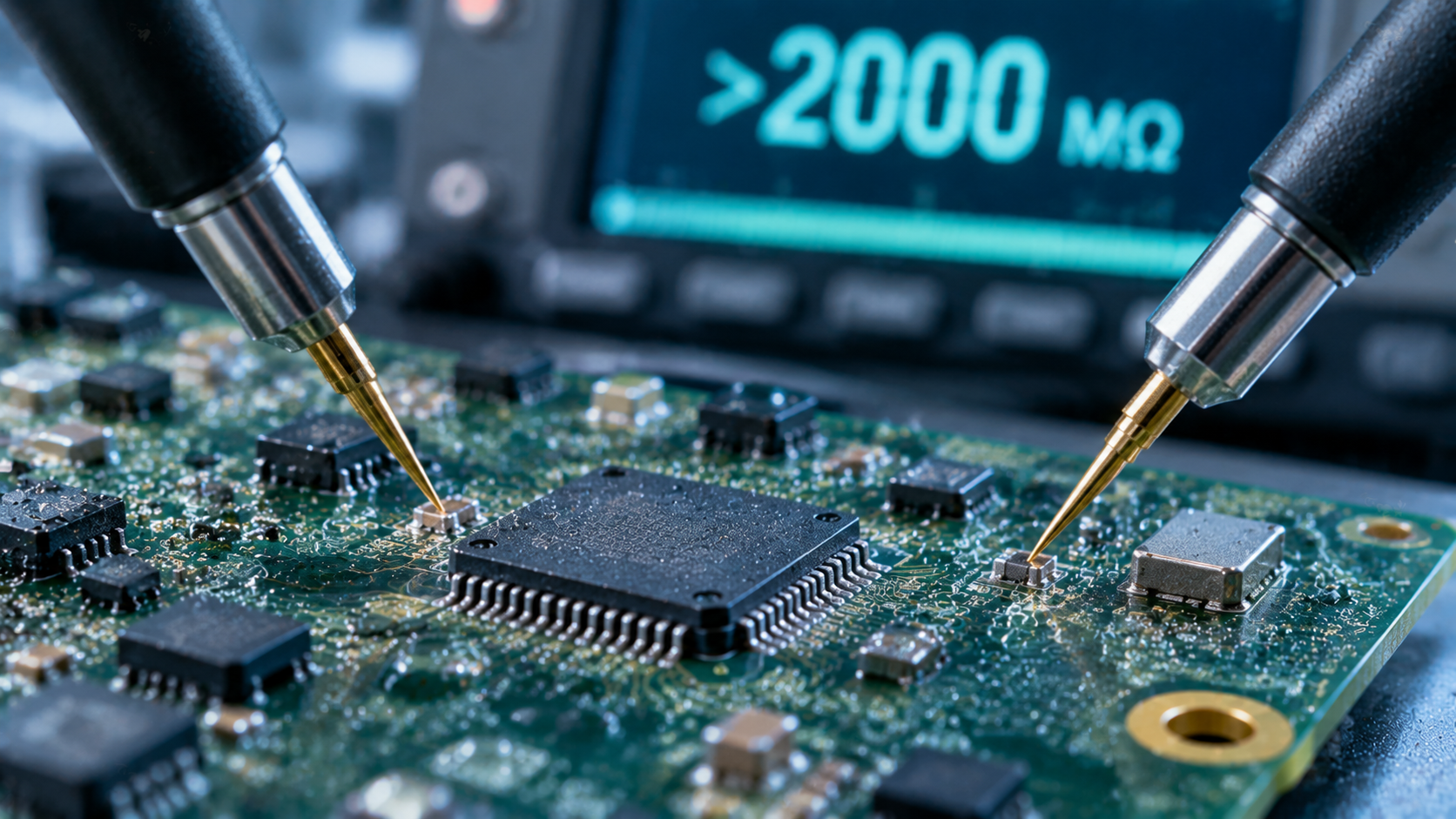
Resistors can't be selected by resistance tolerance alone anymore. For high-speed ADC front-end applications, the impedance phase angle deviation in the 100kHz–1GHz band must be < ±1.8°.
PCB laminates now require frequency-dependent Dk models. Using the old fixed "Dk=3.65" for FR-4 can introduce up to 42% error in eye opening for 10Gbps SerDes designs.
2. The Material Supply Chain Has Tightened
AI hardware demand is creating unprecedented pressure on the PCB materials supply chain. Hyperscale AI server deployments are driving demand for:
Advanced laminates and ultra-low-loss materials
Specialty copper foils
Fine-geometry HDI fabrication
Thermal management substrates
These materials now face long lead times, material allocations, and pricing volatility. The board you designed with a specific material six months ago might not be manufacturable today with the same material — or at the same price.
3. Manufacturing Tolerances Have Tightened
The PCB industry is facing what one analyst called a "manufacturing capability escalation." Requirements that were once exotic are becoming standard:
Any-layer HDI with 50 μm microvias
30/30 μm trace/space for component escape
Thermal via arrays with >90% copper fill
±5% impedance control across 8-12 layer stackups
Mixed-material stackups (high-Tg + low-loss in the same board)
What This Means for Hardware Engineers
The "FR-4 Default" Is Over
Standard FR-4 can no longer be the default choice for any new design. When signal rates exceed 10Gbps or layer counts rise above 12, low-loss materials become a requirement — and they cost 2-4 times more than FR-4, with longer lead times. You need to evaluate material availability and cost early, not as an afterthought.
Lead Times Are Now Design Constraints
High-end PCB orders are booked through Q4 2026, with some core customers locking in capacity 6-12 months in advance. The days of 5-7 day quick-turn prototypes are becoming a memory, especially for complex designs. Add at least 2-4 weeks buffer to your project timelines.
Supplier Selection Has Changed
In 2026, evaluating a PCB supplier requires asking different questions:
Do they have actual capacity for your layer count and material requirements, or is their production tied up with AI customers?
Can they secure the materials your design needs, or are they at the mercy of allocations?
What is their real-world yield for the technology you're using? A supplier that claims HDI capability may be at 60% yield while another is at 85%.
Your Next Steps
Requalify your materials — Don't assume FR-4 works. Check availability and lead times for alternatives like Megtron 6, TU-862, or Rogers materials before locking your stackup.
Build buffer into your timelines — Factor 2-4 weeks of additional lead time into project schedules. For complex designs, add 6+ months for material procurement.
Talk to your PCB manufacturer early — Before you finalize your design, verify material availability and actual capability. A DFM review during the design phase is far cheaper than redesign after manufacturing fails.
Stay current — IPC standards are being updated to reflect these new realities (IPC-6012F revision for HDI blind via reliability, IPC-2226 updates for sub-75 μm via structures). If you're still designing to older standards, you're already behind.
The PCB design paradigm shift isn't coming. It's here. Engineers who adapt quickly will design the systems that define the next decade. Those who cling to old assumptions will find their boards failing — in simulation, in manufacturing, and in the field.
If You're Working on Complex or High-Speed PCB Designs
AnyPCBA supports 2-64 layer manufacturing with HDI, rigid-flex, and high-frequency hybrid capabilities.
👉 Contact our engineering team for a design review and material consultation.
About the author
- PCB manufacturing professional with 10+ years of experience. Working at AnyPCBA, serving global clients with PCB fabrication & assembly. DM for inquiries. https://www.anypcba.com/
Comments
Join the discussionNo comments yet. Be the first to comment.